
Safeguarding Your Sight for the Future
A routine eye exam is about so much more than updating a prescription; it is a vital step in protecting your sight. Many eye health conditions develop without any early warning signs or symptoms. At East Riverside Optometry, our thorough exams focus on spotting subtle changes before they impact your daily life.
Catching these conditions early allows for timely care that can slow or prevent vision loss, helping keep your eyes healthy for years to come. Regular eye exams allow us to track subtle changes in your eyes that might otherwise go unnoticed.
Book your next appointment online today to take a proactive step for your sight.

The Importance of Early Detection
Spotting eye issues early gives us the opportunity to protect your vision. Our team uses modern diagnostic tools, including OCTA retinal imaging and wide-view retinal photos, to see inside your eyes and detect changes before problems grow serious.
By catching conditions like glaucoma, macular degeneration, and diabetic retinopathy early, we can start a personal treatment plan sooner and reduce the risk of long-term damage.


Our Diagnostic Technology
At East Riverside Optometry, we use gentle, modern diagnostic tools to examine your eyes closely and catch changes as early as possible. Our technology is noninvasive, primarily using cameras to capture images inside your eyes.
OCTA is a gentle, noninvasive imaging test that gives us a clear look at the tiny blood vessels in your retina. This technology lets our optometrists spot early signs of retinal conditions, like diabetic retinopathy, glaucoma, or age-related macular degeneration. By detecting small changes early, OCTA helps us design a care plan tailored to you and track your health over time.
Ultra-widefield retinal imaging captures a panoramic photo of your retina in just a single snapshot. This helps us examine parts of your outer vision that older cameras might miss. We use this camera to watch for issues like retinal tears, diabetic eye changes, and macular degeneration, helping us protect your sight before it affects your daily life.
Visual field testing maps the entire area of your vision, including both central and side (peripheral) vision, which is key for checking optic nerve health and spotting conditions like glaucoma. This quick check is covered by OHIP for individuals aged 19 and under, 65 and over, and adults with qualifying medical conditions like diabetes.
By evaluating your field of sight, we can notice subtle changes before you feel any difference in your vision.
Tonometry is a quick test that measures the fluid pressure inside your eyes. Checking this pressure is important because higher eye pressure can be an early indicator of glaucoma. Measuring your eye pressure gives us valuable information to help keep your eyes healthy.
Common Eye Conditions We Monitor and Care For
Eye conditions can develop in many different ways, and learning about the early signs is a helpful step in protecting your sight. Recognizing early symptoms can help you know when it is time to schedule an exam.
At East Riverside Optometry, our evaluations look at the complete picture of your eye health, helping us spot small changes early and build a care plan to preserve your sight.
AMD is a condition that affects central vision over time, making everyday tasks like reading, driving, or seeing faces more challenging. Early detection helps us support your sight. We use detailed tools, like OCTA scanning and pigment density checks, to monitor your eyes through all stages of AMD, working together to find practical steps that protect your daily routine.
A cataract happens when the natural lens inside your eye becomes cloudy, causing blurry sight, glare at night, or faded colours. Over time, cataracts can make daily activities feel harder. We monitor cataract changes during your visits and help guide you on when surgery might be beneficial to restore clear vision and vibrant colour perception.
Glaucoma is a group of conditions that damage the optic nerve, often linked to fluid pressure in the eye. It is sometimes called the “silent thief of sight” because vision loss can happen gradually without pain or obvious warning signs. Regular eye exams help us spot early changes, allowing for timely care to slow progression and protect your long-term sight.
Seeing small flashes of light or new floating spots can often be harmless, but it can also be a sign of a torn retina. Because a retinal tear requires prompt attention, these symptoms should be checked right away.
We perform detailed retinal exams, using widefield imaging to assess your risk and guide timely care for your eyes.
Living with diabetes means paying extra attention to your eyes, as high blood sugar can affect retinal blood vessels and raise the risk of cataracts. Finding changes early helps prevent vision complications. Our team uses OCTA and widefield imaging to identify early shifts, monitor your health, and coordinate timely care to protect your long-term sight.
Conjunctivitis, often called pink eye, is an irritation caused by viruses, bacteria, or allergies. It can leave your eyes feeling red, itchy, watery, or gooey. Because the proper care depends on what caused the irritation, a quick visit helps us evaluate your symptoms and recommend safe, comfortable relief.
Uveitis is an inflammation in the middle layer of the eye that can cause blurred sight, light sensitivity, redness, and discomfort. Prompt evaluation and care are essential to avoid complications like cataracts or glaucoma.
We combine careful exams with gentle imaging to create a personal care plan for your relief.
Dry eye occurs when your eyes do not produce enough tears, or when your tears evaporate too quickly. This can cause stinging, redness, a gritty feeling, and difficulty wearing contact lenses.
We evaluate the underlying causes of your dryness to recommend gentle therapies, like home heat masks, drops, or daily habits, to restore lasting comfort.
An epiretinal membrane is a very thin layer of scar tissue that can form over the retina, making images look wavy, smudged, or slightly blurry. Mild cases often just need careful monitoring over time, while more pronounced cases can be managed with surgical options. Catching it early helps us protect your visual clarity.
Keratoconus is a condition where the clear front window of the eye thins and bulges into a cone-like shape, leading to distorted or blurry sight. Early detection allows us to use specialty contact lenses and close monitoring to help maintain your vision and delay or avoid the need for surgical care.
Take Charge of Your Eye Health
At East Riverside Optometry, we partner with you to monitor and care for a wide range of eye health conditions. Through gentle diagnostic tools, thorough exams, and personal support, we help you protect your vision for years to come.
Contact us to book your appointment online today to take a proactive step for your eyes.

Eye Care Services We Offer
Explore Our Brands
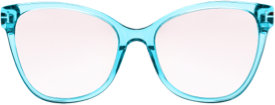




More About Our Services
Explore the different eye care services we offer at East Riverside Optometry.
Myopia Control
Myopia, or nearsightedness, affects your distance vision and can progress quickly in children. Myopia control aims to slow this progression in kids and teens, resulting in fewer prescription changes and reduced eye health risks.
Eye Disease Management
We provide comprehensive evaluation and management for a wide range of eye conditions, including glaucoma, cataracts, AMD, and diabetic eye disease. We want to help you protect your eye health and preserve your long-term vision.
Diabetic Eye Exams
Diabetes can increase your risk of developing certain conditions, such as diabetic retinopathy, macular edema, glaucoma, and cataracts. Our diabetic eye exams include specific tests to detect changes related to these conditions to help protect your vision.
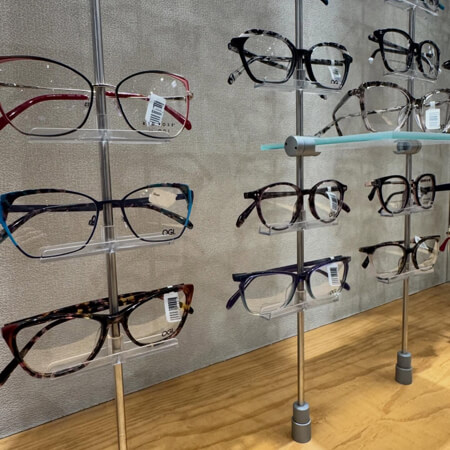
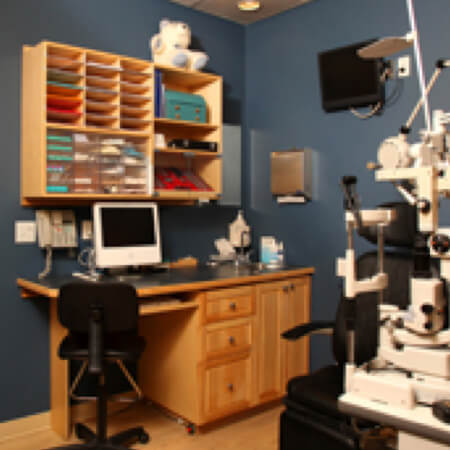
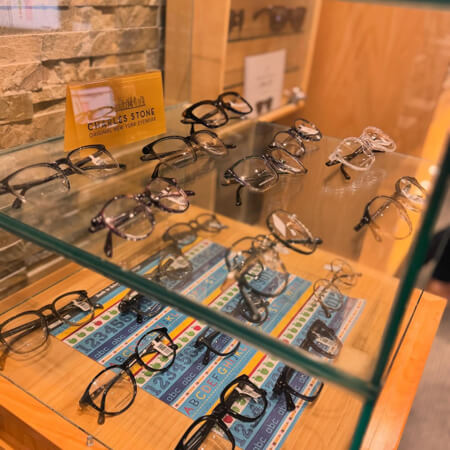
Explore Our Gallery
Read Our Google Reviews
Take a look at what our patients have to say about their experience at East Riverside Optometry.
Come Visit Us in East Riverside

Our clinic is located on the corner of Tecumseh Road and Clover Avenue, near the East Riverside Dental Centre. There is plenty of free parking available in the lot around our office.
Our Address
- 10630 Tecumseh Rd E, Unit 2B
- Windsor, ON N8R 1A8
Contact Information
- Phone: 519-739-2020
- Email: info@eastriversideoptometry.com
Our Hours

Clinic of Doctors Vision Group
About Us
Specialty Eye Care
Eyewear & Contacts
Follow Us
- 10630 Tecumseh Rd E, Unit 2B
- Windsor, ON N8R 1A8
- Phone: 519-739-2020
- Email: info@eastriversideoptometry.com